Case study
From dusty supermarket bags to a tin worth opening
A friend in Dubai kept complaining that her afternoon tea tasted like warm cardboard. She was buying whatever black tea sat closest to the till at the hypermarket, brewing it strong, and still ending up disappointed. We spent a weekend walking through a few specialist shops in the city, applying seven checks (smell, colour, leaf shape, moisture, dates, cleanliness, and flavour add-ons) and by Sunday evening she had a tin of loose-leaf Ceylon that actually smelled like tea. This is what changed, and how you can run the same checks the next time you buy.
The before and after
Anonymous supermarket bag. No packing date, only a distant expiry. The leaves were crushed to dust, mixed with tiny twigs, and smelled faintly of the cardboard box they came in.
Result: flat, bitter cup that needed sugar and milk to be drinkable.
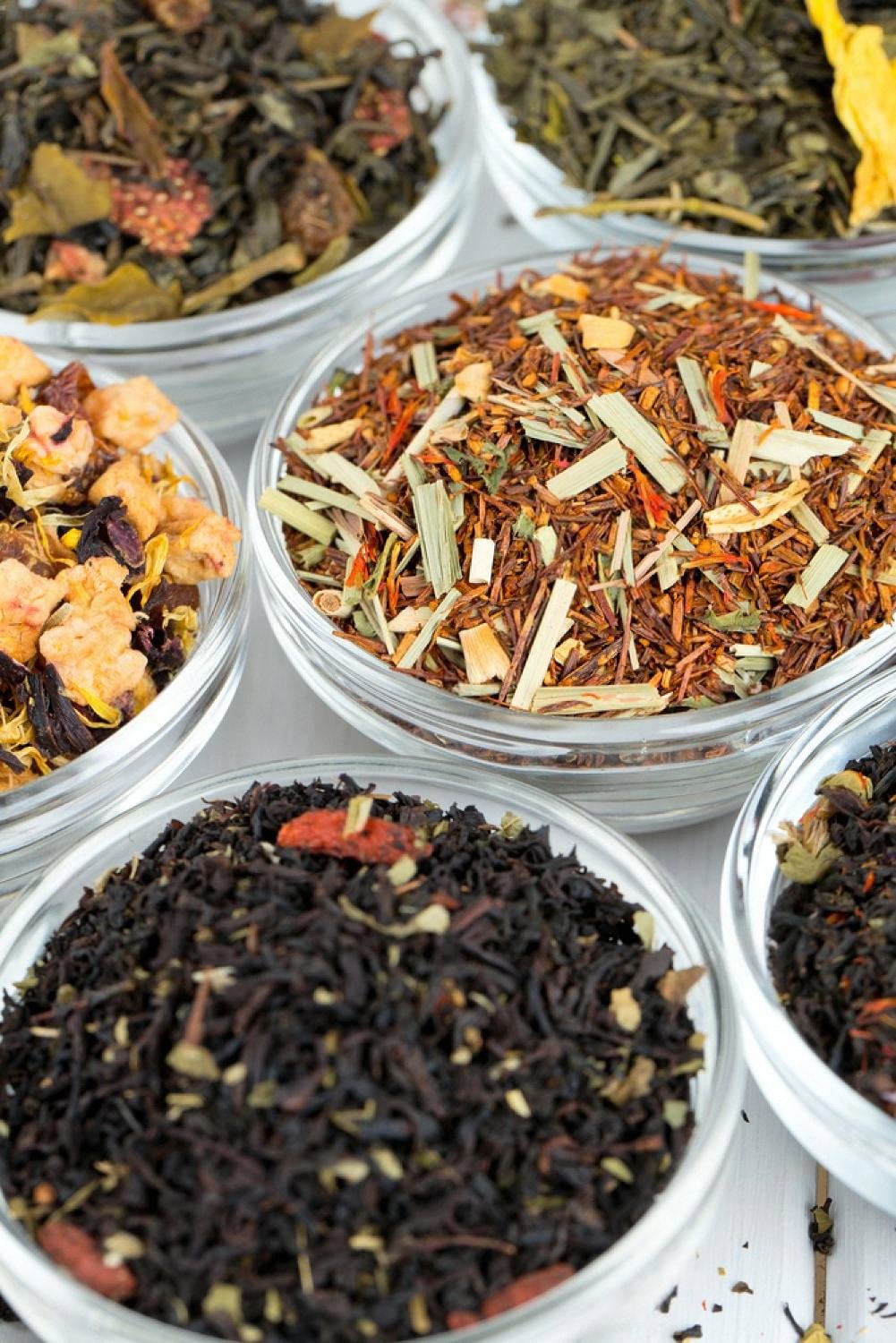
Loose-leaf tin, harvest date printed. Whole twisted leaves, deep uniform colour, a clean malty aroma the moment the lid came off, and visible pieces of real dried fruit in the flavoured blend.
Result: a naturally sweet cup, no sugar needed, a second infusion still tasted of something.
Step one
What we tried at the counter
Most good sellers in the UAE, from souq stalls in Deira to a modern tea shop in Dubai will happily let you smell and look at loose leaves before you commit. That is the whole point of buying loose rather than sealed sachets. Here is the checklist we ran, in order, on every jar she was curious about.
- Smell first. The aroma should be fresh and match what the label promises. A berry blend should smell of berries, an Earl Grey of bergamot, a green tea of grass or seaweed. Musty, papery or flat notes are a hard no.
- Check the colour against the type. Black tea should look uniformly dark. Green tea should be a saturated green with no chalky white patches or grey dust. Oolong sits somewhere between the two, but still even in tone.
- Look for whole leaves. Whole-leaf tea holds its aroma far longer than crushed tea, because the essential oils are locked inside intact leaf cells. Even chopped grades should keep a recognisable leaf shape rather than crumble to powder.
- Feel for moisture. Dry tea should rustle. If it feels soft, sticky, or clumps together, moisture has crept in and mould is a real risk, especially in humid coastal cities like Dubai and Abu Dhabi.
- Read both dates. A harvest year or a packing date matters more than the expiry alone. Black teas hold up for a couple of years if stored well; green teas are best drunk within twelve months of harvest, per guidance from bodies like the tea trade at large.
- Hunt for twigs and dust. A pinch of leaves in your palm should look like leaves. Lots of fine dust, broken stems or sandy sediment at the bottom of the jar signals a low grade or a tired batch.
- Inspect flavour add-ons. If you like fruit or floral teas, you want to see what is flavouring them. Real dried strawberry, orange peel, rose petals, hibiscus, all visible in the mix. If the tea smells strongly of mango but there is not a single piece of mango in the jar, you are buying flavouring, not fruit.
Step two
What actually worked
Out of the seven checks, three did the heaviest lifting for her. They are the ones I would tell any first-time buyer to focus on before worrying about origin, cultivar or grading codes.
- The nose test. Asking the shopkeeper to open the jar was the single fastest filter. Half the candidates lost on smell alone: stale, waxy, or a mismatch with the label.
- The palm test. Tipping a small amount into her hand showed which teas were whole leaves versus which were mostly dust and fannings dressed up in nice packaging.
- The date test. Any jar without a harvest or packing date went back on the shelf. Sellers who track this well are usually the ones who store tea properly too, away from light, heat and strong smells.
Colour, moisture and cleanliness rarely disqualified a tea on their own, but they confirmed the winners. Once a tea passed the nose, palm and date checks, it almost always looked and felt right too.
If you can smell the tea before you pay for it, and you can read a real date on the tin, you have already skipped past most of the bad tea on the shelf.
Storing what you bought
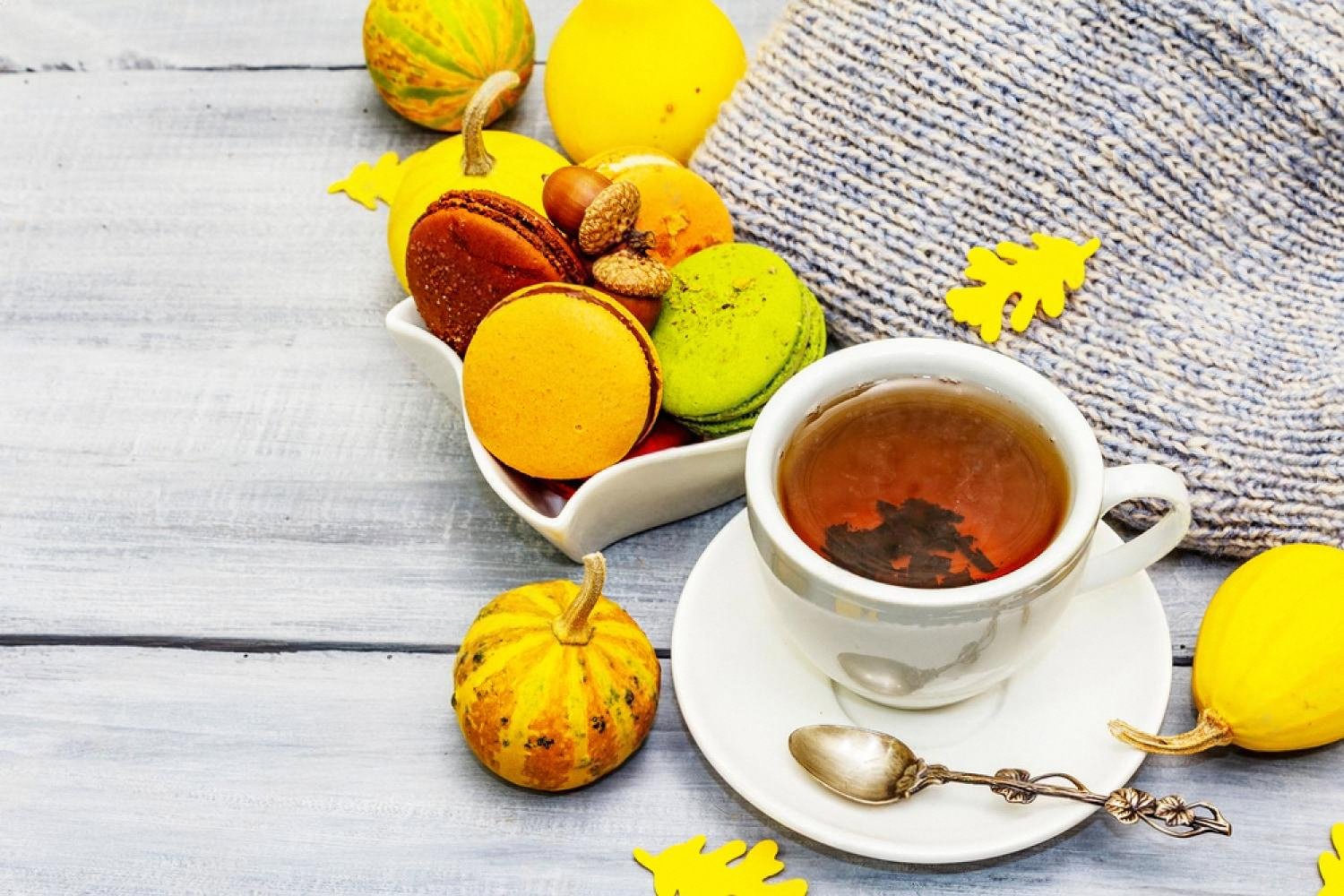
One last piece the case study taught us: good tea dies fast in a bad cupboard. Keep leaves in an opaque, airtight tin, away from the spice rack, the coffee, and the window. In UAE homes with the AC running hard, that usually means an interior shelf rather than anything near the kitchen extractor. Buy in small quantities, 100 to 200 grams at a time, so the last cup tastes as alive as the first.
Frequently asked questions
Is loose-leaf tea always better than tea bags?
In most cases, yes. Loose-leaf tea is usually made of whole or larger broken leaves, which keep their essential oils and aroma longer. Standard tea bags often contain fannings and dust, the smallest fragments left after sorting, which brew fast but taste flatter.
Pyramid bags filled with visibly whole leaves are a reasonable middle ground if convenience matters.
How long does tea actually stay fresh once opened?
As a rough guide: green and white teas are at their best within about a year of harvest, oolongs within one to two years, and black teas hold their character for two to three years if stored well. Once you open the tin, aim to finish it within three to six months.
Heat, light and humidity all shorten that window, which is why UAE buyers should be extra careful about where the tin sits at home.
Are flavoured teas lower quality than pure ones?
Not automatically. A well-made flavoured tea uses a decent base leaf plus real dried fruit, petals, spices or peels that you can see in the blend. Those add-ons contribute genuine aroma and taste.
What to avoid are blends that smell overwhelmingly of something the jar does not contain: that is a sign of heavy synthetic flavouring covering up a tired base tea.
Why does my tea sometimes taste dusty or bitter even when it looks fine?
Two common culprits: too much broken leaf and dust in the mix, or water that is too hot for the type of tea. Green tea brewed at boiling point turns bitter within thirty seconds, while black tea needs near-boiling water to open up properly.
If the leaves themselves look whole and smell fresh, adjust water temperature and steeping time before blaming the tea.
Is it safe to buy tea from open bins at a souq or spice market?
It can be excellent, provided the shop has good turnover and keeps the bins covered, out of direct sun, and away from strong-smelling spices. The upside is that you can smell and inspect before buying, which is exactly what this guide recommends.
Ask when the batch arrived. A seller who cannot answer that question is a seller to skip.
What is the best way to store tea in a humid climate like the UAE?
Use an opaque, airtight tin or a double-walled ceramic jar. Keep it in an interior cupboard, away from the stove, the kettle, coffee, and any window that gets afternoon sun.
Do not refrigerate opened tea: the leaves absorb moisture and fridge odours quickly. Buy smaller quantities more often instead of stockpiling large tins.

I graduated from the California Institute of Technology in 2004 with a bachelor’s degree in software development. While in school, I earned the 205 Edmund Gains Award for my exemplary academic performance and leadership skills. Now I am living in Dubai, UAE.